

Smoking Cessation : ค้นหาหนังสือธรรมะ หน้า 3 / 6
หน้าหนังสือทั้งหมด
40
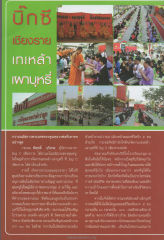
การจัดงานเทเหล้า-เผาบุหรี่ที่ Big C เชียงราย
บิ๊กซี
เชียงราย
เทเหล้า
เผาบุหรี่
ind
ซูเปอร์เซ็นเตอร์
เราได้คุยมากกว่าคำว่าถูก
FORE THAN JUST LOW PRICE
mister
Donut
เทเหล่า - เผาบุหรี่ บิ๊กซีเชียงราย
lo Smoking & No c\lcoke For Better Life
กราบนมั
บิ๊กซี เชียงราย เทเหล้า เผาบุหรี่ ind ซูเปอร์เซ็นเตอร์ เราได้คุยมากกว่าคำว่าถูก FORE THAN JUST LOW PRICE mister Donut เทเหล่า - เผาบุหรี่ บิ๊กซีเชียงราย lo Smoking & No c\lcoke For Better Life กราบนมั
80
The Four Noble Truths
80
80
SOLUTIONS
FROM WISDOM
XXXIV
The Four Noble Truths tacles
The Four Noble Truths is a
demonstration of suffering: its
nature, its cause, its cessation
and the way leading to cessation.
Suffering e
The Four Noble Truths outline the concept of suffering, addressing its nature, causes, and how to overcome it. Suffering arises from sensual desires and the struggle for acquisition. Awareness of thes

103
The Way of Solitude
THE WAY OF
SOLITUDE
IVXV
The Light of Solitude
When we relax our body
and our mind until it
reaches a state of solitude,
we will find that within that
calmness, there is a bright
light within our body
The text discusses the importance of reaching a state of solitude through relaxation of the body and mind. It suggests that within this state, individuals can discover a bright inner light that leads
38
The Virtue of Abstaining in Dakhina-vibhanga Sutta
The Virtue of Abstaining
6. Dakhina-vibhanga Sutta
the virtues loved by noble ones.24 It is owing to the Blessed One that Mahā paja pārī Gotāmī is free from doubt about suffering, about the origin of
The Dakhina-vibhanga Sutta highlights the significance of abstaining from harmful actions such as killing and immoral conduct. It illustrates how one's journey towards refuge in the Buddha, Dhamma, an
40
The Verse of Abandoning: Dakkhināvíbhanga Sutta
The Verse of Abandoning
6. Dakkhināvíbhanga Sutta
"When one person, owing to another, has come to possess unwavering confidence in the Buddha, the Dhamma, and the Sangha, and to possess the virtues
The Dakkhināvíbhanga Sutta emphasizes the significance of unwavering confidence in the Buddha, Dhamma, and Sangha. It illustrates how one person's faith and understanding can be influenced by another,
32
The Complete Teacher: Integrating Academic Excellence and Dhamma in Education
Chapter 3
directly and indirectly so that students can understand and learn thoroughly. This requires trainers who have not only the first level of wisdom, which is from memorization, but also from t
บทนี้อธิบายถึงความสำคัญของครูในฐานะที่เป็นแบบอย่างและการผสมผสานความรู้ทางวิชาการเข้ากับธรรม เพื่อช่วยให้นักเรียนเติบโตเป็นคนดี เนื้อหายังกล่าวถึงระดับความเข้าใจที่พระพุทธเจ้าสอนเกี่ยวกับชีวิต สี่ขั้นต
11
The Noble Truths of Suffering
4 The Noble Truth of Suffering ........................................... 57
Every Living Being is a Victim of Suffering 57 • Suffering as a result of
Birth 58 • The Suffering of Internment in the Wo
เนื้อหาเกี่ยวกับสัจธรรมทั้งสี่ซึ่งกล่าวถึงทุกข์และวิธีการดับทุกข์ในศาสตร์ของพุทธศาสนา รวมถึงอธิบายความสำคัญของการเข้าใจทุกข์และการพึ่งพาไม่ให้จิตใจเสพติดความสุขชั่วครั้งชั่วคราว การบรรลุถึงสภาวะนิพพาน
12
The Noble Eightfold Path: Key Concepts and Insights
7 The Noble Truth of the Path to the Cessation of Suffering .................... 117
The Noble Eightfold Path 117 • Right View 118 • Right Intention 118 • Right Speech 118 • Right Action 118 • Right L
The Noble Eightfold Path is a fundamental Teaching of Buddhism aimed at overcoming suffering. It consists of eight essential practices: Right View, Right Intention, Right Speech, Right Action, Right L
54
Understanding the Origin of Suffering in Buddhism
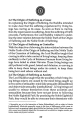
2.2 The Origin of Suffering as a Cause
In explaining the Origin of Suffering, the Buddha intended to make clear that the suffering experienced by living beings has craving as its cause. As soon as the
In this examination of the Buddha's teachings, the Origin of Suffering is explained as being rooted in craving, which leads to a cycle of suffering. The relationship between the Origin of Suffering an
102
Overcoming Craving through the Noble Eightfold Path
[phottabhba-vitaka] and thought-conception concerning of the mental objects [dhamma-vitaka].
Moreover, the discursive thought [vicāra] concerning our sensual objects arising from the aforementioned se
This text explores how discursive thoughts about sensory objects lead to attachment and suffering. Each of the six senses contributes to craving, necessitating practitioners to overcome these attachme
118
Understanding the Mind and Success in Buddhist Practice
and the four different functions of the mind are scattered in their separate directions like a group of people unable to work as a team — they cannot pool their abilities efficiently.
By 'all succes
This text discusses the four functions of the mind and their impact on achieving success in Buddhist practice, as emphasized by Luang Phaw Wat Paknam. He speaks on the importance of reaching a state o
119
The Noble Truth of the Path to the Cessation of Suffering
The Noble Truth of the Path to the Cessation of Suffering
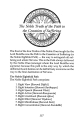
The final of the four Truths of the Noble Ones taught by the Lord Buddha was the Path to the Cessation of Suffering (or the Noble Eightfold P
The Noble Eightfold Path, the final of the Four Noble Truths, is the way to eliminate suffering and attain Nirvana. It consists of eight components: Right View, Right Intention, Right Speech, Right Ac
142
The Path to Enlightenment: Understanding Dhammakāya
the knowledge arising from cognition may be erroneous.
The knowledge arising from 'knowing', by contrast, de-
pends on the Dhammakāya — it is knowledge based on
true wisdom such as the Four Noble Trut
This text discusses the distinction between knowledge gained through cognition and that which arises from true wisdom based on the Dhammakāya. It details the bodhisatva's rigorous meditation practice
143
Understanding the Dhamma Body and the Noble Path
Dhamma Body — not with the human eye or the naked eye.
All the knowledge that brought him to Buddhahood came
by the ‘knowing’ of the Dhamma Body, not by rationale or
reasoning with the logical (hum
The Dhamma Body can only be perceived beyond the human eye, allowing the Buddha to grasp deep truths about existence. His compassion drove him to teach the Noble Path for the liberation of others, adv
144
The Components of the Eightfold Path
The Components of the Eightfold Path all arise together
When the factors of the Eightfold Path arise, they do so to-
gether — just as the elder monk Koṇḍañña, after listening
to the Dhammacakkapavatta
This text discusses the Eightfold Path, emphasizing how all eight components arise together as illustrated by the elder monk Koṇḍañña's attainment of Stream-Entry. It explains the importance of Right
227
Understanding Meditation and the Middle Way in Buddhism
manifestation, Path to the Cessation of Suffering as 54
master plan for subsequent teaching, Dhammacakkapavattana Sutta as 10, 186, 189-90
materialism, makes for selfishness 81
meat burnt to the pan -
เนื้อหานี้สำรวจการทำสมาธิและแนวทางสายกลางที่เป็นส่วนสำคัญในคำสอนของพระพุทธเจ้า โดยอธิบายถึงความสำคัญของการตั้งมั่นเป็นสติในปัจจุบัน และการทำความเข้าใจรูปแบบของความรู้สึกและปรากฏการณ์ในจิตใจ การทำสมาธิ
229
Exploring Key Buddhist Concepts and Practices
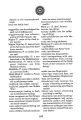
Phramonkothpumuni: emphasises practice 12; explains "dhammikāya" and "āyatannibbāna" 102; founder of Dhammakāya Tradition 102; respected commentarian 102-3; sixteen tasks of 207 physical deeds, wholes
This text delves into various aspects of Buddhist philosophy, focusing on the teachings and practices associated with the Dhammakāya Tradition founded by Phra Mongkothpumuni. It highlights the signifi
243
Buddhist Terminology and Concepts
Speech at the transcendental level) see sense consciousness) manussasampatti (see worldly wealth) Mara q.v. (P. devil, demon) maggañāṇa (see knowledge of the path out of defilements) maraṇa (see dying
This text delves into essential Buddhist terms and their meanings. It covers concepts such as Mara (the demon), Mettā (loving-kindness), and the significance of terms like 'maraṇa' (dying) and 'mutti'

64
การสนทนาเกี่ยวกับอริยสัจ
OM KANLAYAN
AYANAMIT LETTERS FR
MIT LETTERS FROM KANLAYANAM
FROM KANLAYAD)
MIT LETTERS FROM KANL
NAMIT LETTERS FROM KANLAYANAMIT LETTERS FROM
RS FROM KANL
OM KANLAYANAN
MMIT LETTERS /
ROM KANLAYA/
LET
NAMIT LETTERS FROM KANLAYANAMIT LETTERS FROM RS FROM KANL OM KANLAYANAN MMIT LETTERS / ROM KANLAYA/ LETTERS FRON/ LAYANAMIT LET LETTERS F7/ FROM KANLAYA/ NAMIT LETTER/ ETTERS FROM RS FROM KANLA YANAMI
105
The Roads That Lead to Ruin
We have learned about the roads leading to ruin numerous
times, but we have never implemented the principles to avoid
them into our daily lives. When we suffer, we blame society
or someone else.
Luang
Luang Phaw, facing personal conflicts and financial irresponsibility, learns from Khun Yay that merit-making alone isn't enough without being mindful of spending habits. Through a meaningful discussio